Bedroom Furniture
Explore our bedroom furniture with everything you need, built to last and available in a range of styles, colours, and sizes to suit any room.
Checkout using your account
This form is protected by reCAPTCHA - the Google Privacy Policy and Terms of Service apply.
Checkout as a new customer
Creating an account has many benefits:
Explore our bedroom furniture with everything you need, built to last and available in a range of styles, colours, and sizes to suit any room.
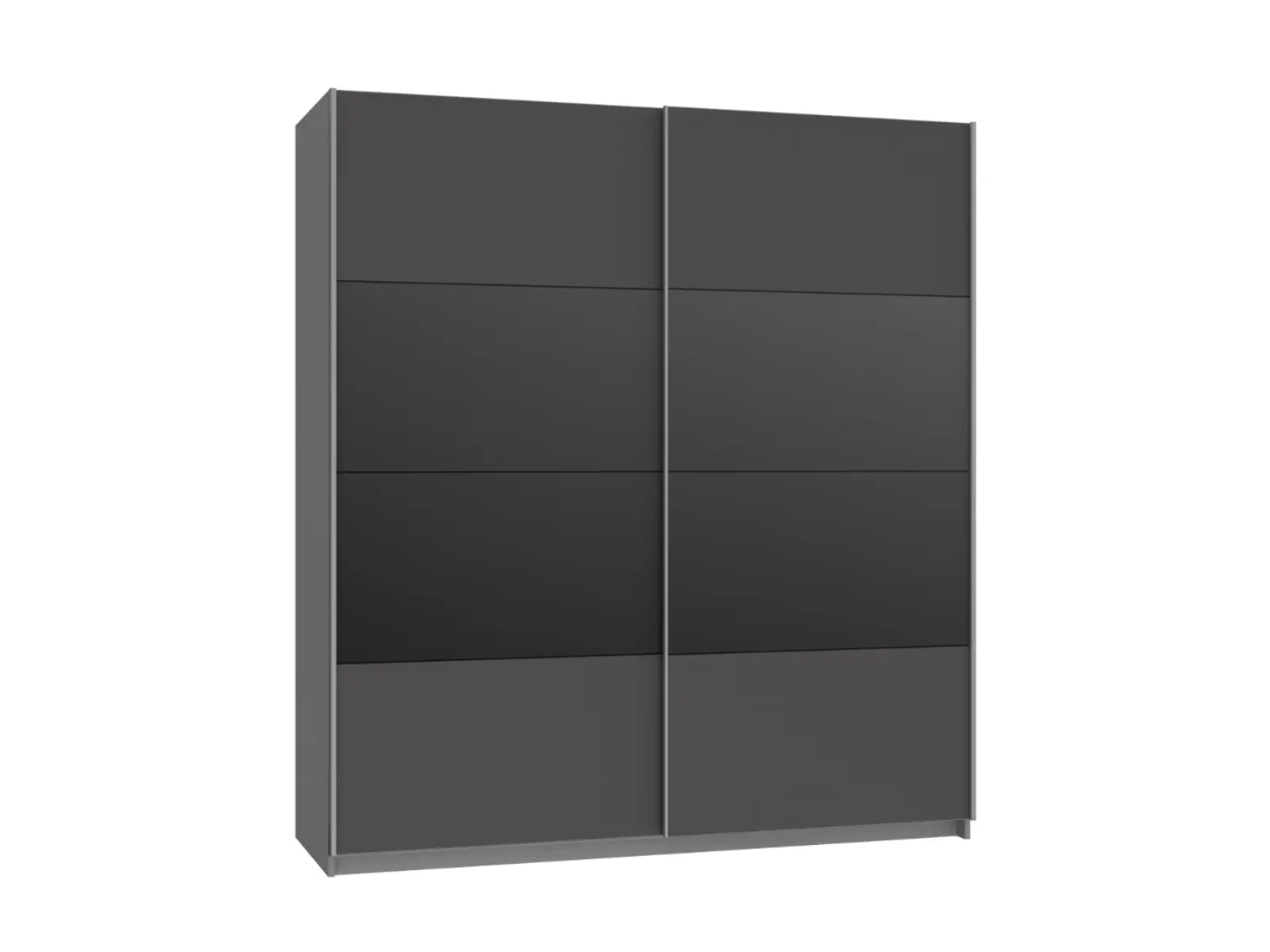
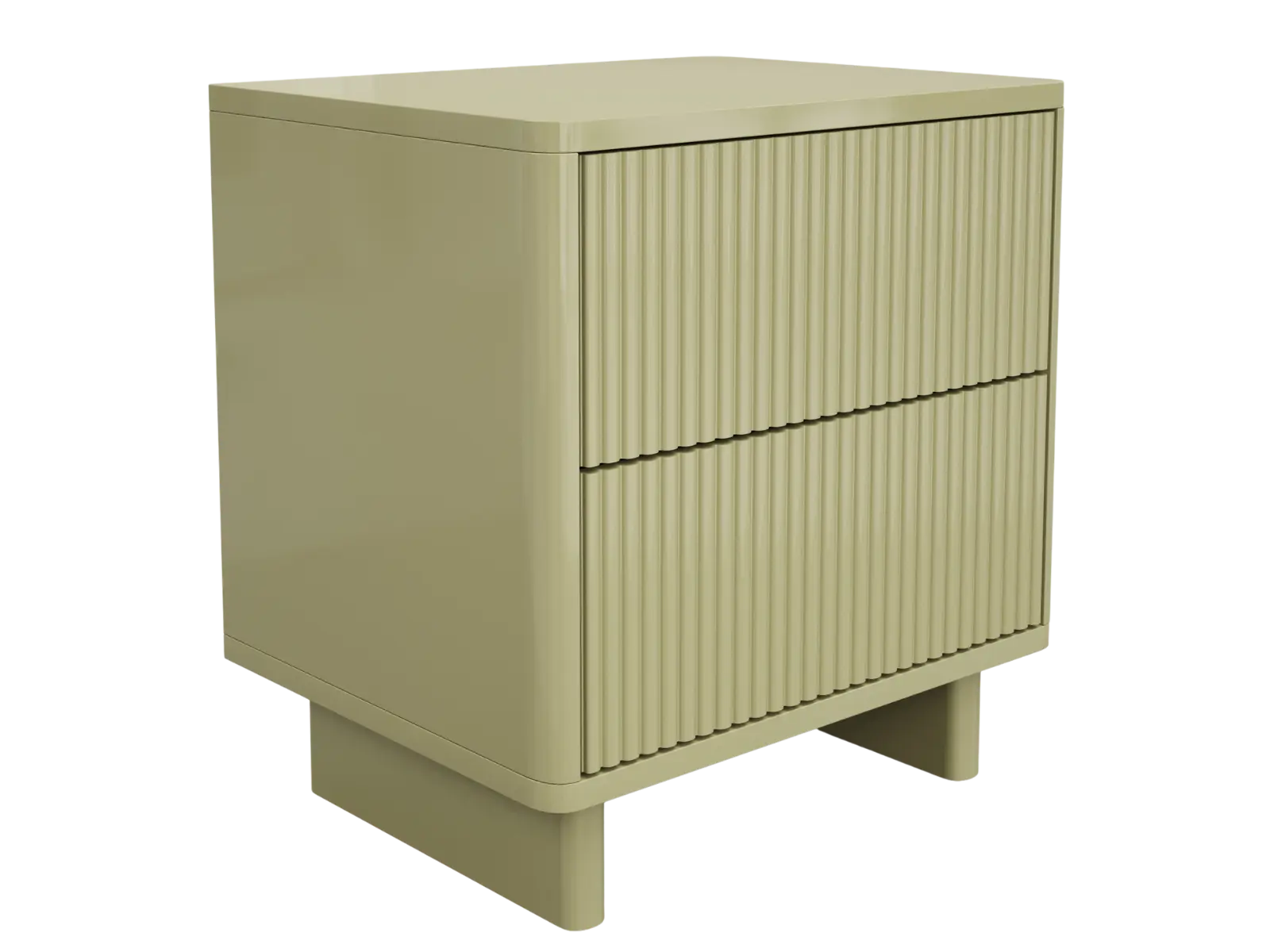
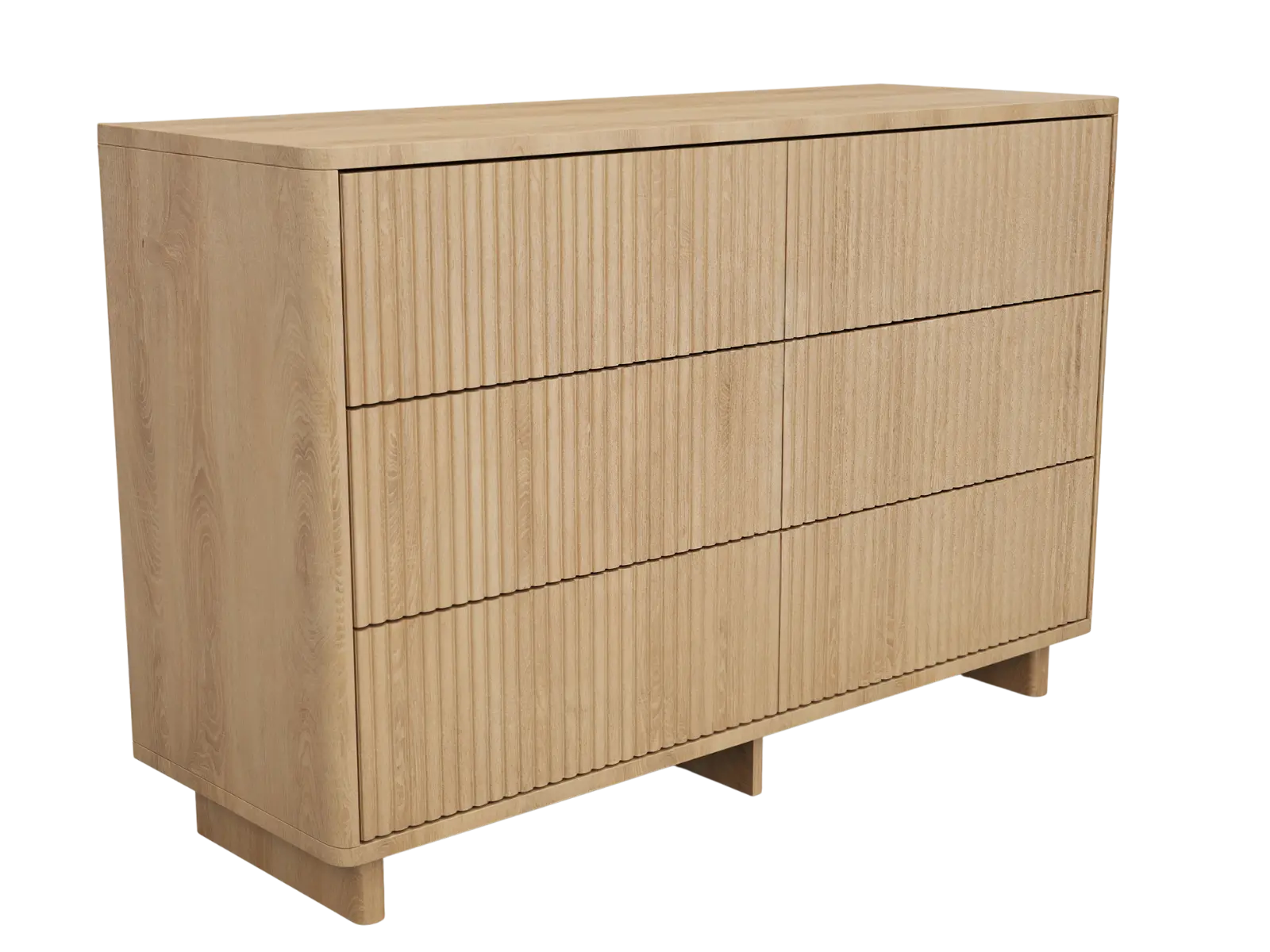
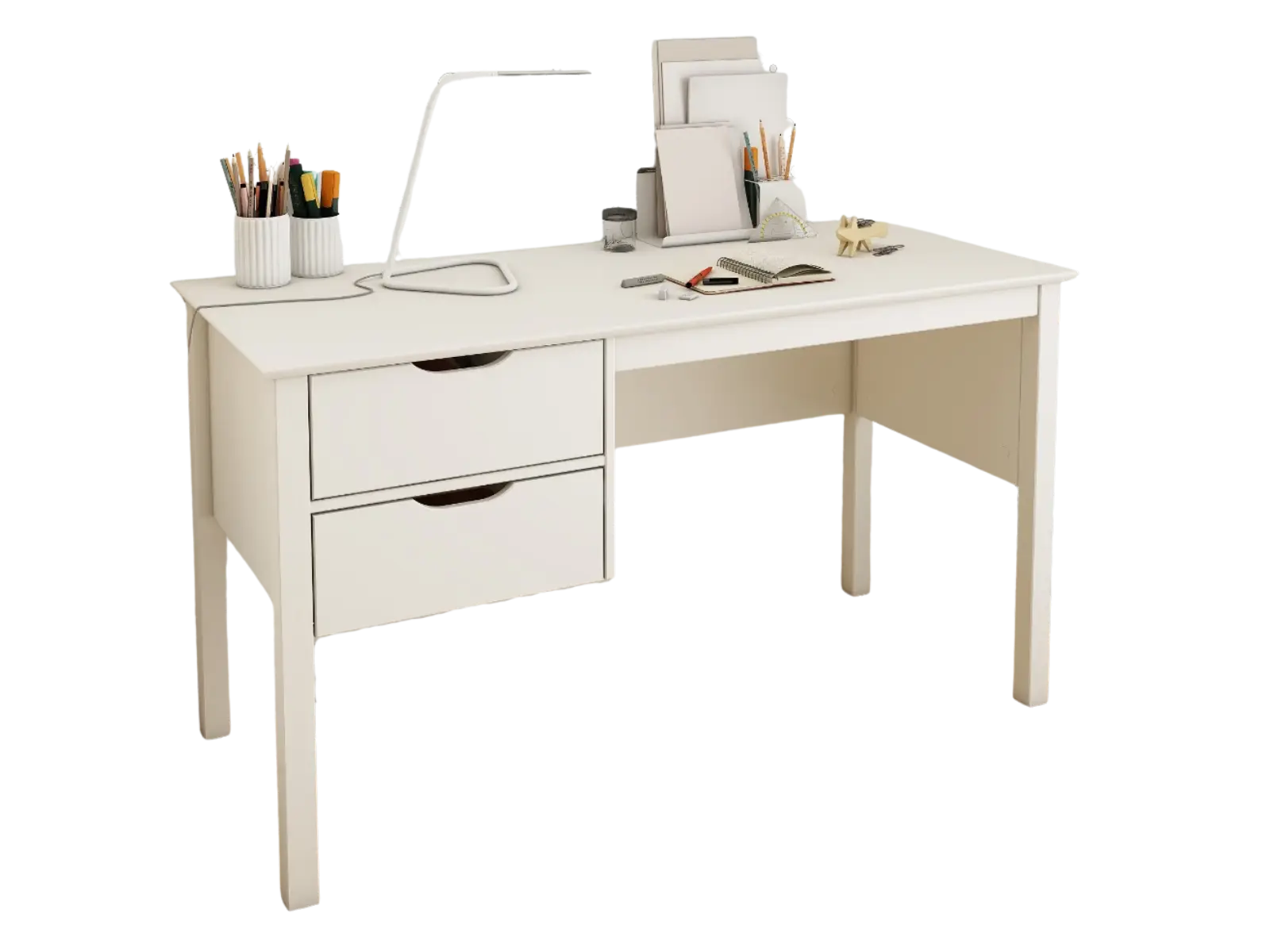
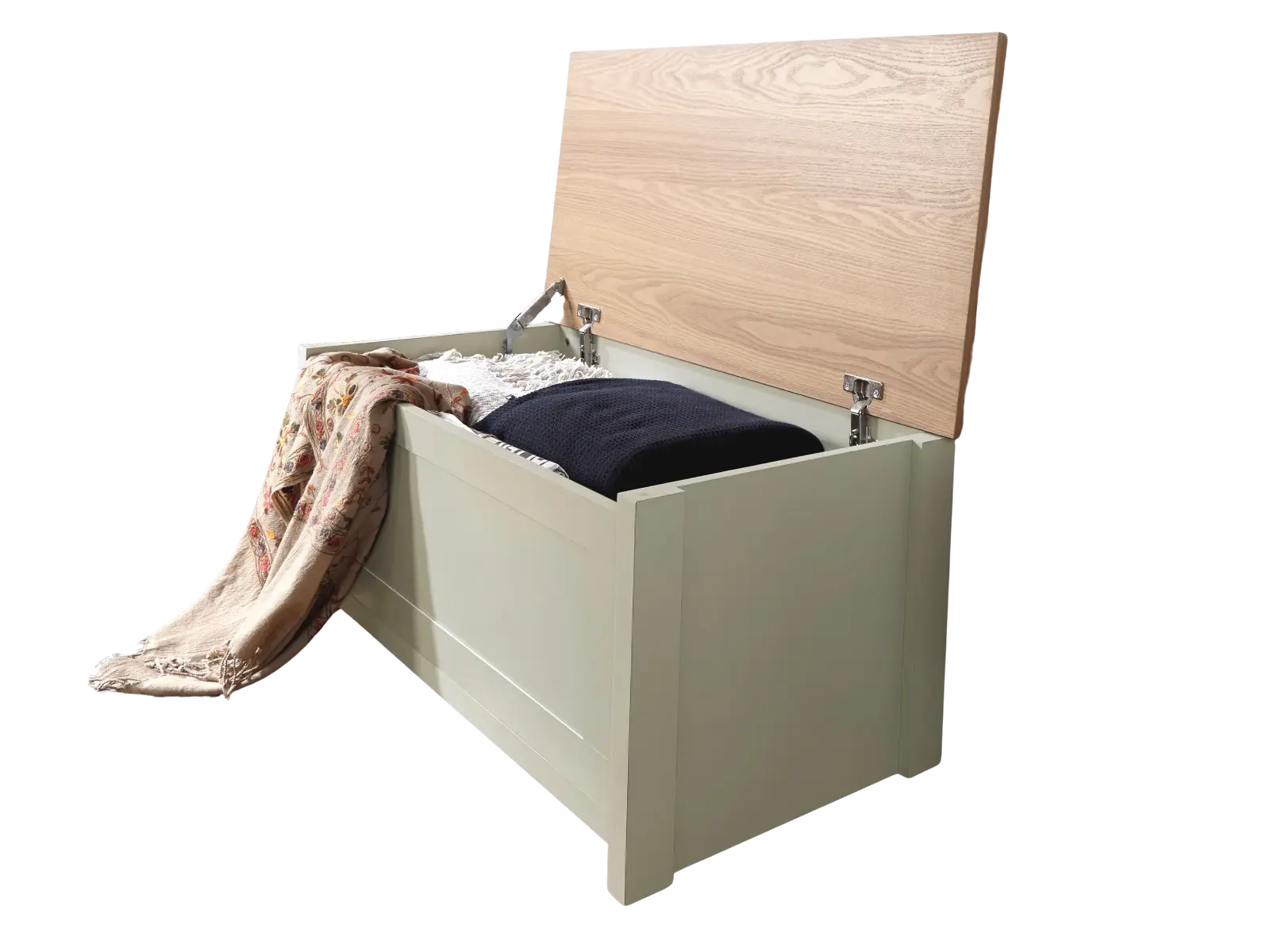
The essentials depend on your storage needs and room size, but most bedrooms benefit from a bed, somewhere to keep clothes, and a surface for nighttime essentials. Here's a quick overview of each main piece:
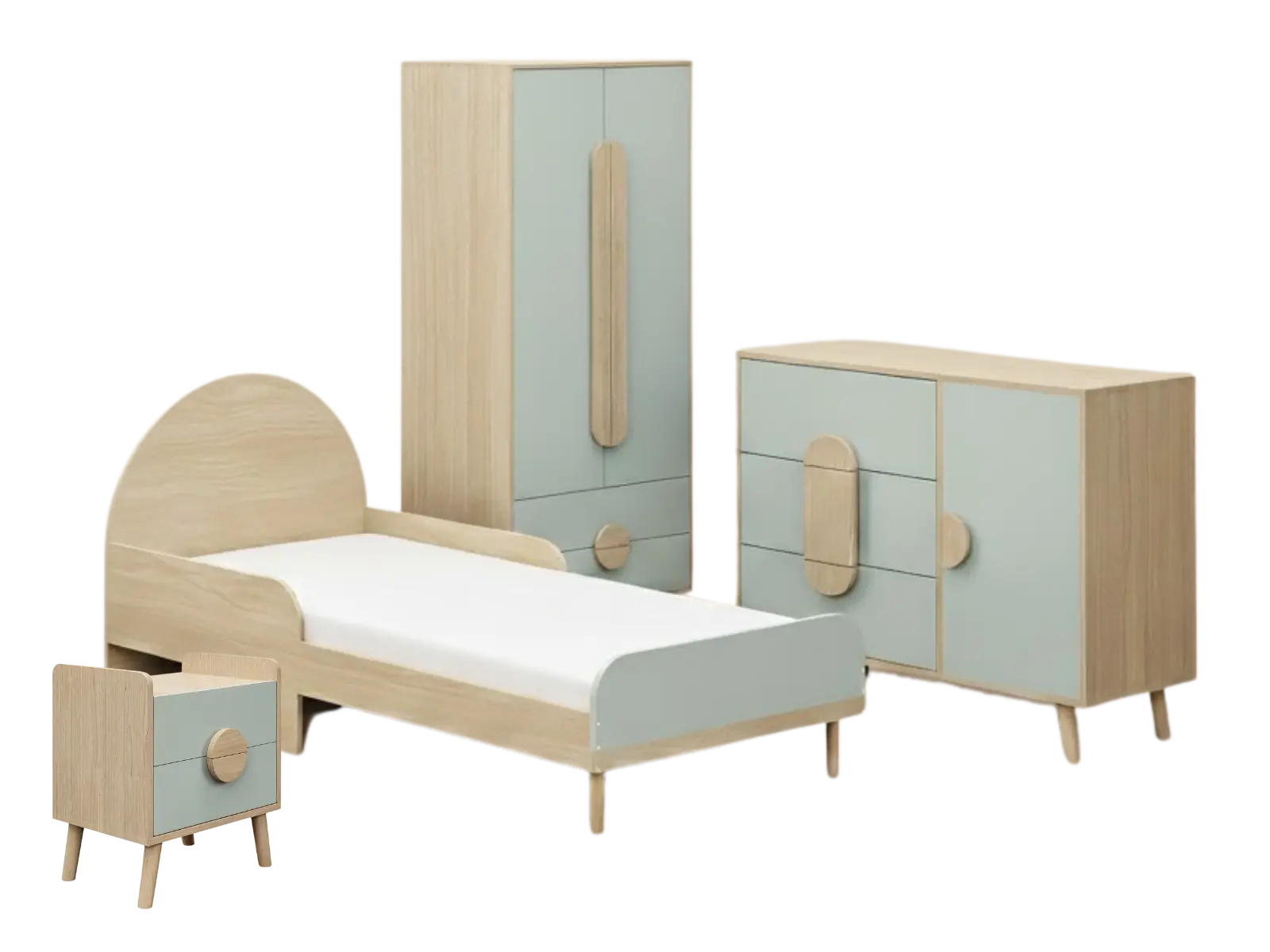
Need to furnish a child's room? See our full range of children's bedroom furniture.
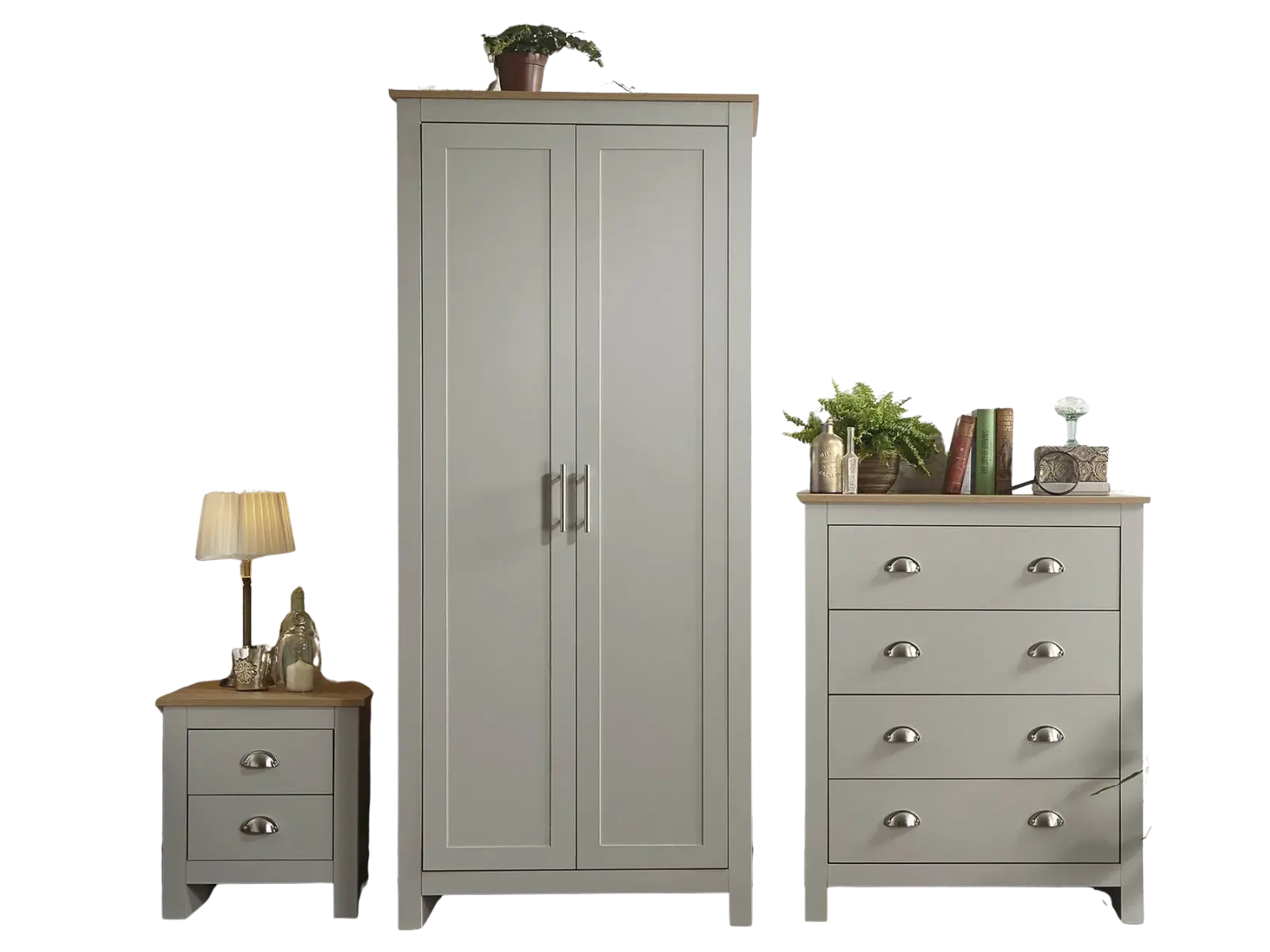
Buying a bedroom set is the simplest way to get a coordinated look. Pieces in the same set are designed to work together in terms of finish, hardware, and proportions, so there's no guesswork involved. They're also typically better value than buying individual pieces separately.
Mixing pieces can work just as well, as long as you keep a common thread running through the room. That might be a consistent colour, a shared material, or matching hardware. For example, a white wardrobe and a grey bedside table sit comfortably together if they share the same leg style or handle finish.
Material and construction are the two most important factors. Solid wood and hardwood veneers on a solid core tend to outlast particle board, though good-quality particle board with a well-applied finish can perform well for many years if kept away from moisture. Look for solid drawer sides rather than thin panel construction, and soft-close runners on drawers where available.
The size you need depends on the measurement of your space and what furniture you are buying. Note the width and height of each wall, and mark where doors, windows, and plug sockets sit, as these all affect what will fit and where. To help, here are some key bedroom furniture sizes:
For wardrobes, most standard models are 55–65cm deep. Allow extra clearance in front of hinged doors to allow them to open fully. A single wardrobe is typically 75–90cm wide, a double 100–120cm, and a triple 150cm or more.
For chests of drawers, depth is worth checking carefully as some models extend further than expected and can eat into floor space in a narrower room.
Bedside tables are generally compact, but if you're placing one on either side of a bed, confirm that the width fits the wall comfortably.
The right colour depends on your room size, natural light, and the look you're going for. White bedroom furniture and cream brighten a space and work well in smaller bedrooms. Grey bedroom furniture is a flexible neutral, while black bedroom furniture makes a bolder statement and works best in rooms with plenty of natural light. Wood and oak bedroom furniture in brown and beige tones brings warmth and a grounded feel, pairing well with linen textiles and neutral walls.
Green, blue, and pink offer more personality. Sage and olive greens work well with natural materials; navy and slate blue read as calm and considered; muted pink or blush tones suit a softer, more relaxed bedroom scheme.
The most straightforward approach is to anchor the room around one dominant tone and use a second as an accent. White and oak is one of the most popular combinations; the warmth of natural wood softens an all-white room, while the white keeps the space feeling bright. Black and white is clean and strong, but works better in rooms with good natural light.
If you're mixing finishes from different ranges, matching the hardware is the easiest way to create cohesion. Two pieces with different wood tones but the same handle style can sit together well. Where possible, keep the flooring and walls in mind, as they are the largest surfaces in the room and affect how furniture colours read overall.
Start with the bed, as it takes up the most floor space and determines where everything else can realistically go. Choose one bedside table or two to place on either side of the bed. A wardrobe generally goes on the wall opposite or adjacent to the bed. A chest of drawers fits well in alcoves, corners, or alongside a wardrobe if the wall space allows. A dressing table works best near a window for natural light, but facing away from it to avoid glare on a mirror.
If you're working with a small room, keep furniture close to the walls and avoid placing anything in the middle of the floor that interrupts the main walking route.
You can browse and buy our full bedroom furniture range online, with free delivery across most of England, Scotland, and Wales on every order. Each product page includes dimensions, material details, delivery timescales, and assembly information so you have everything you need before buying.
If you'd prefer to see pieces in person before committing, visit our showroom in West Yorkshire. Our team can walk you through what's available, help you think through sizing and layout, and answer any questions on the spot. If you can't make it in person, you can also reach us via our contact page or check out our FAQs.